
Outside work
Pebbledash Removal in Southport
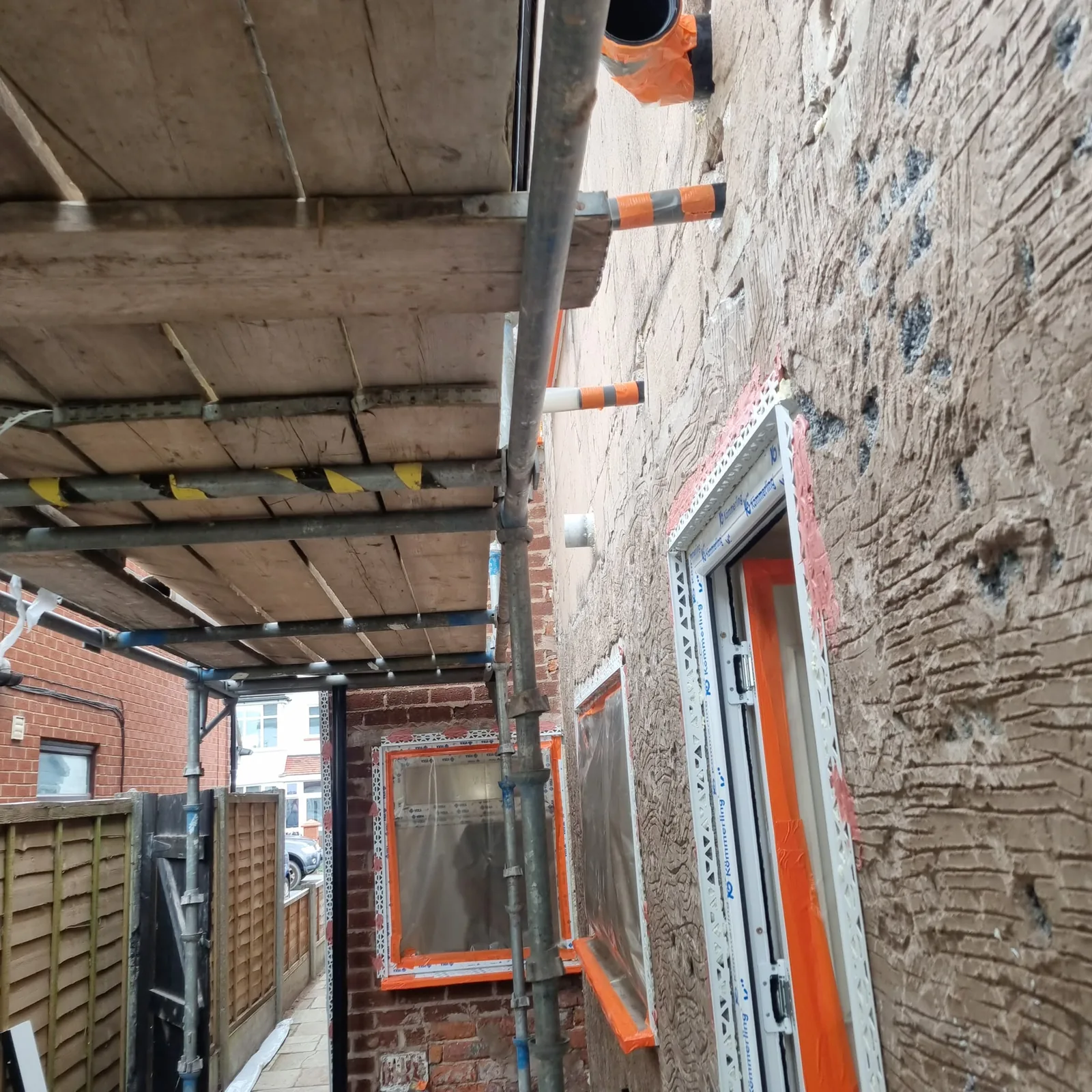
Taking pebbledash off a house, or rendering over it where it is still solidly stuck. Which one you need is decided by tapping the wall, not by how it looks.
What customers said about this work
Rendering to front of house. Anthony is very professional and a hard working young man . I am very pleased with the removal and re-rendering done too a high standard, I would definitely recommend him and have already enquired about further impending work.
 MyBuilder
Excellent all round. Highly skilled and with good knowledge of his trade. A prompt visit and good discussion about what we wanted. A quick estimate and an early date given to start works. Anthony is a very hard worker, not a clockwatcher. Very careful to get things right - no shortcuts here. Best quality materials used to ensure longevity of works. Anything and everything discussed as the work progressed. Job has turned out better than we expected and has transformed our house. We could not be happier and are happy to recommend Anthony without reservation. Well worthy of support.
MyBuilderWe cannot recommend Anthony too highly. He did everything to the highest standard, was quick and efficient, and did an excellent job of tidying up after finishing the work. A truly first class service.
MyBuilderPebbledash Removal
Off, or over: what decides it
Pebbledash is a sand and cement render with stone thrown at it while it is wet. When it is sound it is a genuinely tough finish, which is why so much of it is still on houses seventy years later. When it lets go it does it in sheets.
The test is a tap over the whole elevation, corner to corner. Render that is still bonded sounds solid and dull. Render that has parted from the wall sounds hollow, and hollow pebbledash comes off, because anything new put over it is only as attached as the layer underneath.
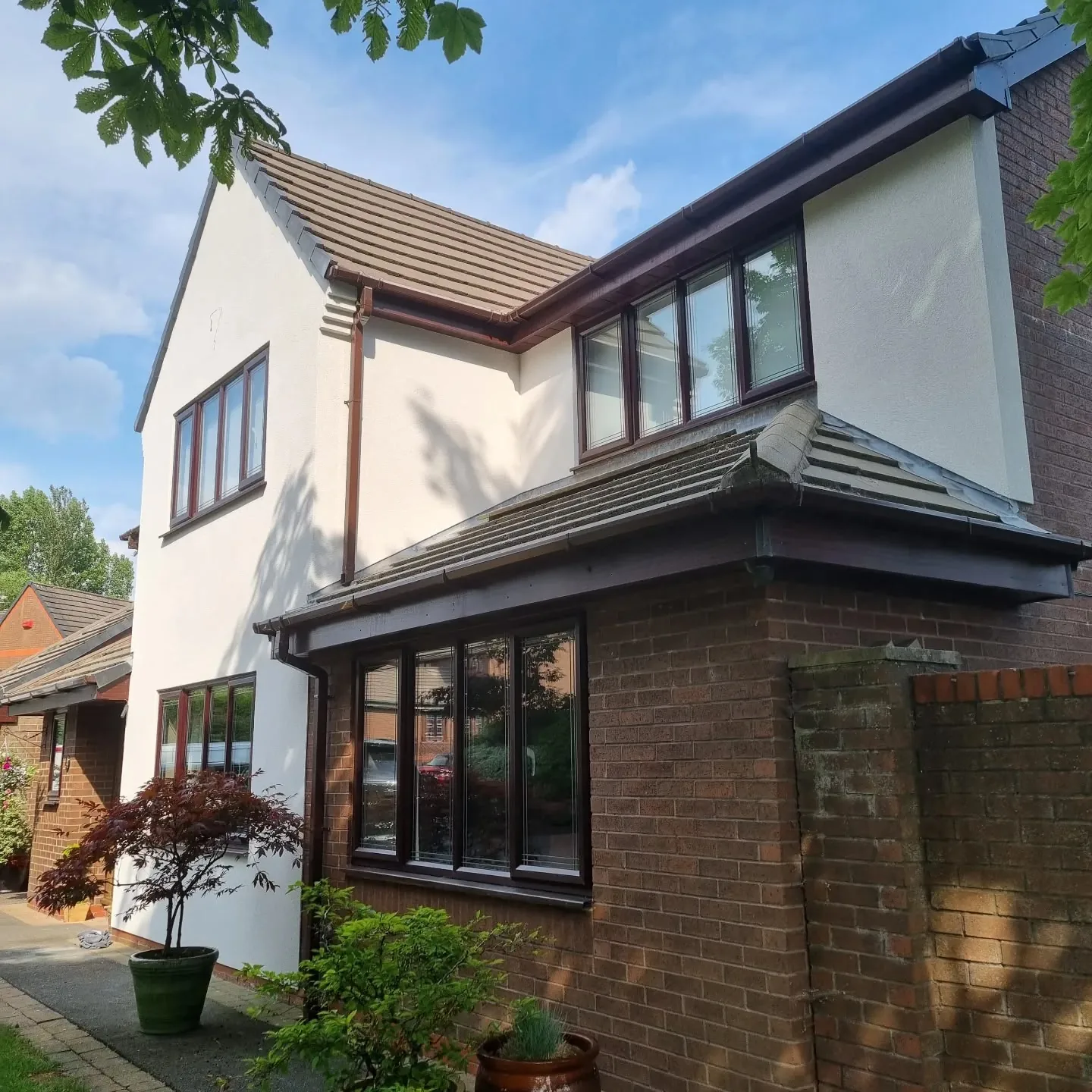
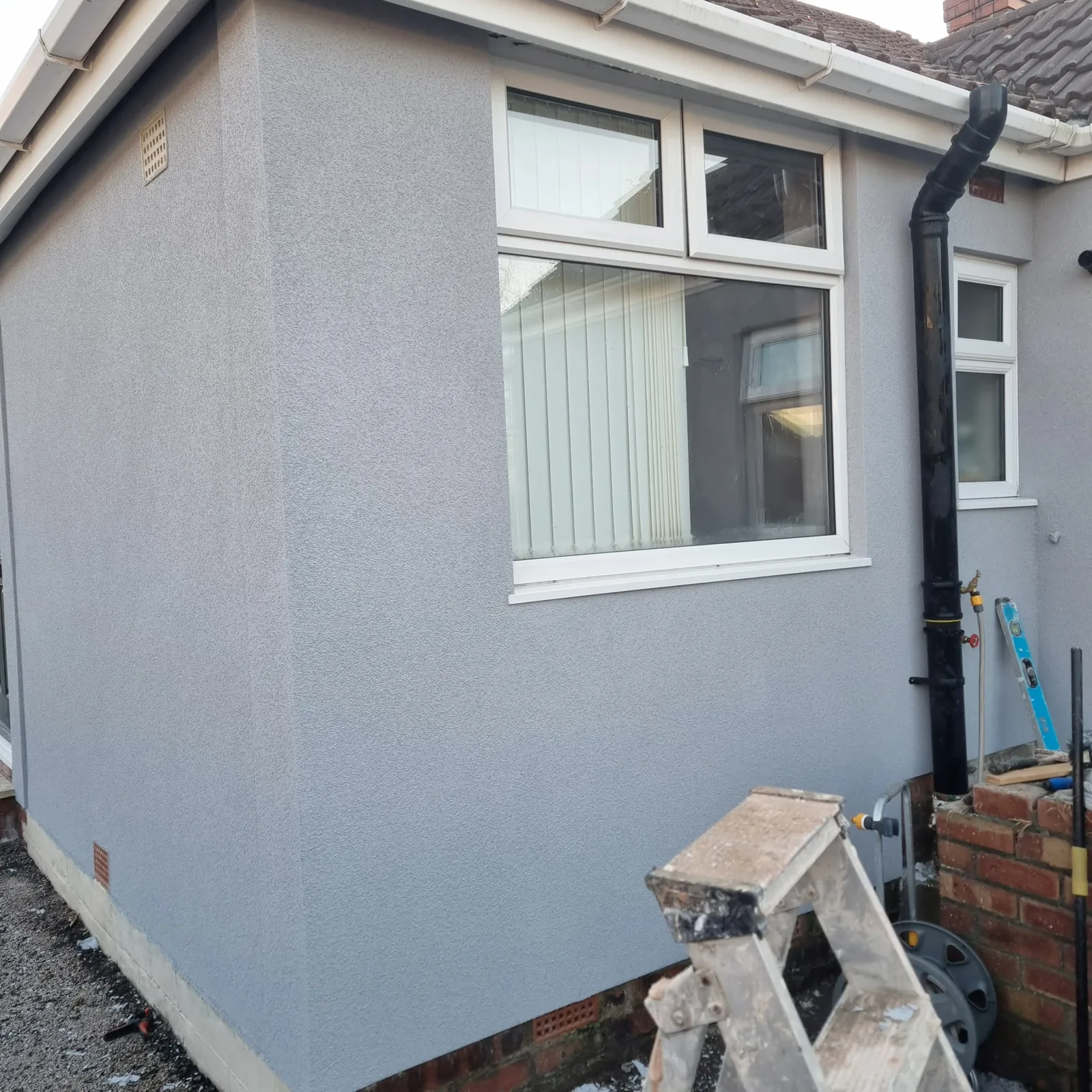
Where it rings solid across the whole wall, it can stay and be rendered over: a bonding coat, mesh and a silicone top coat go on top and the stone disappears. That saves the hack-off, the skip and a good chunk of the labour.
Get a price for pebbledash removal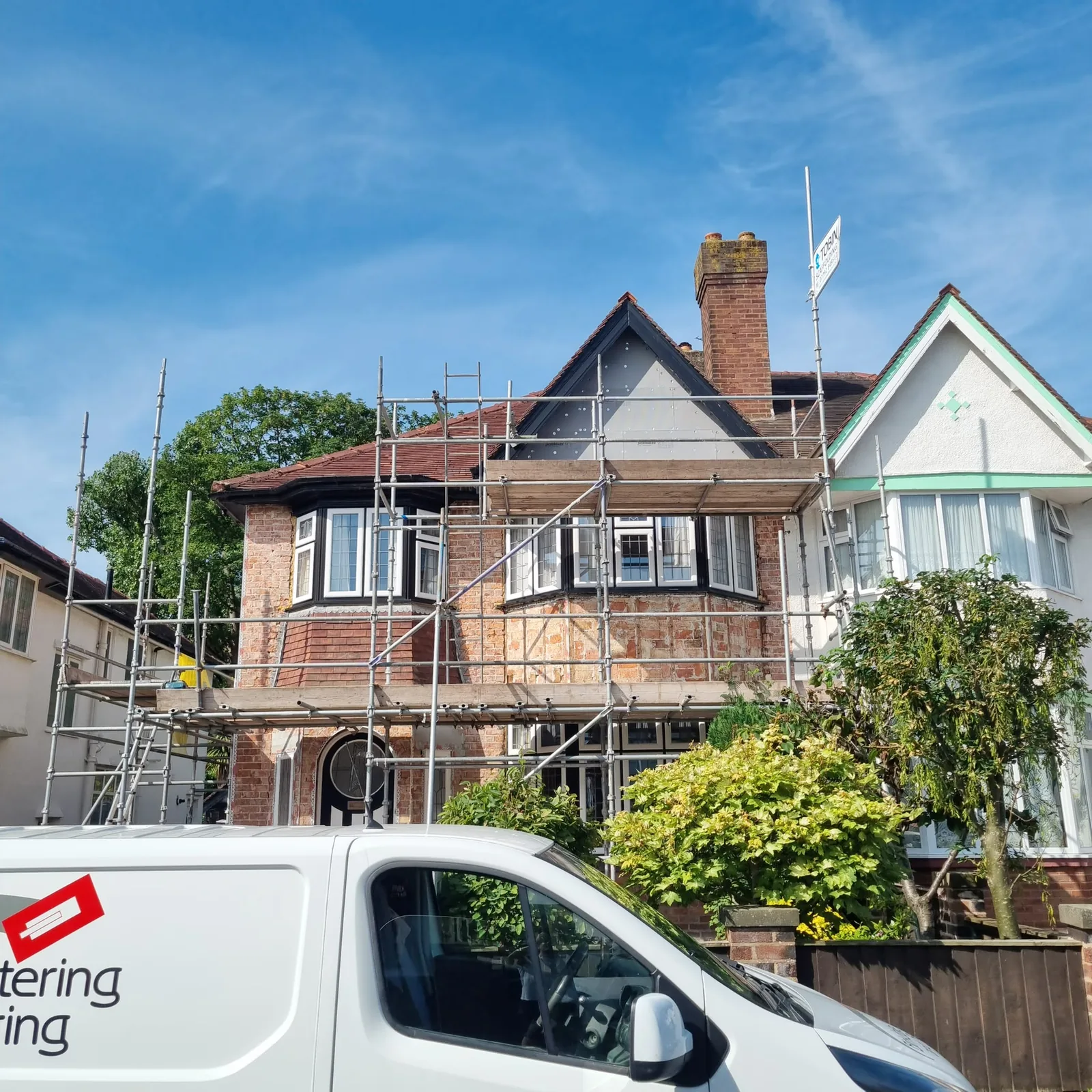
The honest version
When it has to come off
- It sounds hollow anywhere across the elevation
One hollow patch usually means more behind the sound-looking areas around it.
- It is cracked through, or lifting at the edges and around the openings
Water is already behind it, and freezing water is what takes the next section off.
- There is damp showing inside on that wall
Rendering over that hides the symptom and traps the cause. It gets looked at first.
- It has been painted, and painted again
Layers of masonry paint stop the wall breathing and stop a new system keying to anything solid.
- You want insulation on the wall
Insulated systems are fixed to the substrate, so the old finish comes off regardless.
What it is actually like
Living with the job
- It is the messiest week of any render job
Hacking off pebbledash makes noise, dust and a large volume of rubble. Everything gets sheeted, the borders and the paths get covered, and the muck goes in a skip rather than into your garden.
- Scaffold, unless it is a bungalow
Anything above single storey needs it and it is in the written estimate. Bungalows and single-storey walls can often be done off towers.
- Then it is a render job like any other
Basecoat, alkali-resistant mesh bedded in wet, beads and details, then the silicone top coat. That part is set out on the silicone renderingPlastering page, and doing every elevation at once is a full house re-render.
What moves the number
What affects the price of pebbledash removal
- Whether it comes off at all. Rendering over sound pebbledash is much cheaper.
- Wall area and how many elevations. A gable is a lot of wall for one number.
- Access and scaffold. Storeys, conservatories, narrow side paths, boundaries.
- Disposal. Hacked-off pebbledash is heavy, and skips are priced by weight.
- What is underneath. Soft brick, patched blockwork or previous repairs all add work.
- What the wall needs fixing first. Gutters, cills, a bridged damp course.
No square metre price is published here, because one that ignored all of the above would be a guess with a number attached. You get a written estimate after a look at the actual job.
 Formby
 Maghull
 Birkdale
Frequently asked questions
Questions people ask about pebbledash removal
If the answer you want is not here, ring and ask.
Can you render straight over pebbledash?
If it is sound, yes, and it is the cheaper route. It has to ring solid across the whole elevation and be well keyed. If it sounds hollow, is cracked or is lifting in patches, it comes off first, because a new system over a failing one buys a couple of years and then lets go all at once.
How much mess does taking it off make?
A lot, and it is the honest reason people choose to render over it where they can. There is noise, dust and rubble by the tonne. Everything gets sheeted and covered and the rubble goes into a skip, but for the days it is coming off it is a building site.
Will the house need insulation at the same time?
It is the moment to decide, because the wall is bare and the scaffold is up. It is not compulsory: plenty of jobs go back with a thin-coat system straight onto the substrate. If the house is cold and expensive to heat it is worth pricing both ways.
How long does a pebbledash job take?
As a rough guide a typical three-bed semi is a one to two week job once the scaffold is up, and taking the old finish off adds days rather than weeks. Curing time between coats is fixed and weather moves everything.
What does it cost to get rid of pebbledash?
It depends on whether it comes off, the wall area and the access, which is why there is no square metre price on this page. The ranges and what moves them are in the Southport rendering cost guide, and the written estimate follows a look at the actual walls.
Get a price for pebbledash removal
Call or send a photo on WhatsApp. Free written estimate after a look at the job.
About pebbledash in Southport
Pebbledash went on to a huge number of houses along this coast between the wars and again in the 1950s, for a good reason: thrown stone over sand and cement was cheap, and it shed wind-driven rain off soft brick better than anything else available at the time.
What finishes it is age and paint. The render carbonates and gets brittle, the stone starts dropping into the borders, and somebody paints it to tidy it up, which slows the wall down drying. Then a hard winter takes a section off a gable and the rest sounds hollow when you tap it.
Both routes out of it are on this site: over the top where it is sound, or off and back to a proper build-up. We work across Southport, the Sefton coast, Liverpool and West Lancashire.